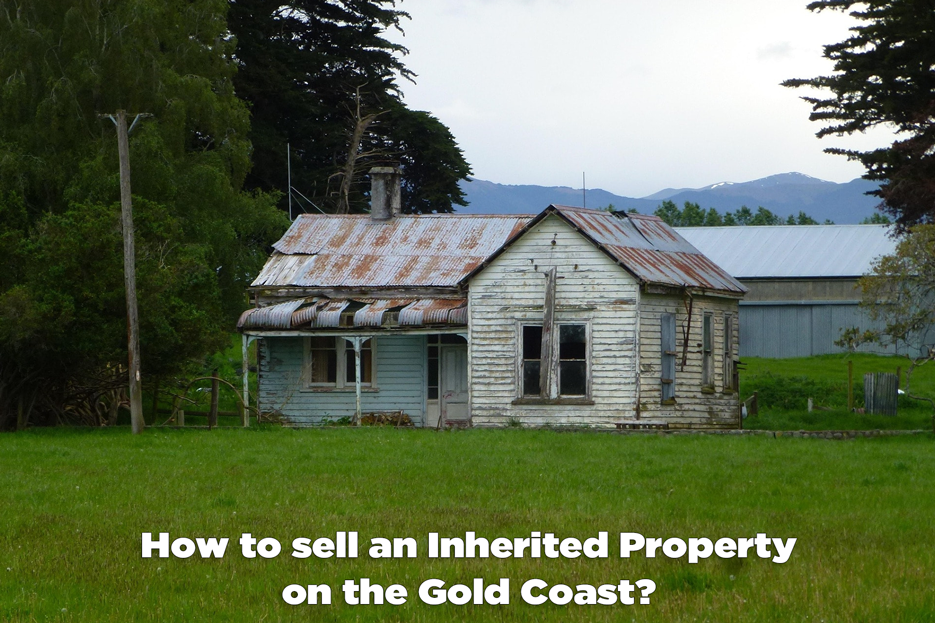
How to sell an Inherited Property on the Gold Coast?
Selling an inherited property on the Gold Coast starts with confirming your legal authority, such as obtaining a Grant of Probate or Letters of Administration, and transferring the title into the beneficiary’s name. Be aware of tax implications, such as Capital Gains Tax, which may vary depending on the property’s status and sale timing. Clear communication among family members helps prevent disputes, while preparing the property for sale and using an experienced agent ensures a smoother process. Don’t forget to complete required disclosure statements and plan for ongoing holding costs and the distribution of sale proceeds.
Why Is Selling an Inherited Property So Complex?
Unlike a typical property sale, selling an inherited home involves:
- Legal processes to transfer ownership from a deceased estate
- Potential capital gains tax (CGT) or income tax events
- Emotional weight and family disagreements
- Maintenance or tenant issues that may have been overlooked
These factors mean that the sale must be handled with extra care, both legally and emotionally, as well as financially.
Step 1: Confirm Legal Authority to Sell
Before any sale can happen, you must have legal standing.
- If you’re the executor, you’ll act under the authority of a valid will and Grant of Probate.
- If no will exists, you’ll need Letters of Administration to proceed.
Step 2: Transfer Title Into the Beneficiary’s Name
Even if you plan to sell the property immediately, it usually must first be transferred from the estate into the beneficiary’s name. This can take time and requires:
- Certified death certificate
- Grant of Probate
- A completed Form 1 Transfer lodged with Titles Queensland
You may also need a property valuation from the date of death for CGT purposes.
Step 3: Understand the Tax Implications
Tax on inherited properties can vary. Key considerations include:
Capital Gains Tax (CGT)
Generally, CGT is not triggered by inheritance itself, but it may apply when the property is sold. The key factors:
- Was it the deceased’s main residence?
- Was it sold within 2 years of death?
- Was it rented out?
In many cases, you may qualify for a CGT exemption if sold within 2 years.
Further Reading: Is Capital Gains Tax Payable?
Income Tax
If the property earns rent before being sold, the income must be declared in your tax return.
A qualified accountant with experience in deceased estates is highly recommended.
Step 4: Manage Family Expectations
Emotions can complicate what should be a logical process. Here’s how to avoid drama:
- Be transparent: Share appraisals, legal updates, and sales plans with all involved.
- Get legal agreements in writing if multiple beneficiaries are involved.
- If disagreements escalate, consider a mediator or legal advisor.
Clear communication helps avoid conflict and potential delays in the sale.
Step 5: Prepare the Property for Sale
Inherited homes are often dated or neglected. Ask yourself:
- Is the property in liveable condition?
- Is there unapproved work (like sheds, decks, or granny flats)?
- Could minor cosmetic updates improve sale price?
Some beneficiaries choose to sell “as-is,” while others invest in improvements first. If you’re unsure:
Further Reading: How to Sell with Unapproved Gold Coast Property Structures
Step 6: Choose the Right Real Estate Agent
Selling an inherited property involves more moving parts. You need someone who:
- Can handle sensitive family dynamics
- Provides realistic sale appraisals based on market data
As well, a local solicitor experienced with deceased estates will be your best asset.
Step 7: Disclose Everything (Yes, Everything)
In Queensland, sellers must now complete a Form 2 Seller Disclosure Statement, which includes:
- Easements or encumbrances
- Unapproved structures
- Pool safety certification
Failing to disclose known defects can lead to legal issues after settlement.
Further reading: What Is a Form 2 Seller Disclosure in Queensland?
Step 8: Consider Holding Costs While Selling
Even if you’re emotionally ready to sell, holding on to an inherited property costs money:
- Council rates
- Insurance
- Maintenance
- Utilities
If the market is soft, you may face pressure to sell fast to avoid a financial drain. On the Gold Coast, median selling times vary between 21–60 days depending on the suburb.
Step 9: Settlement and Distribution of Proceeds
Once sold, the settlement proceeds must be distributed:
- If you’re the sole beneficiary, funds go to you (after debts).
- If there are multiple beneficiaries, follow the terms of the will or court instructions.
Don’t distribute proceeds until all legal obligations, including taxes and debts, have been cleared.
Frequently Asked Questions
Q: Can I sell the property before probate is granted?
No, not legally. You can market the home; however, you cannot exchange or settle until probate is granted.
Q: What if one beneficiary wants to keep the property?
You may negotiate a buyout. If no agreement is reached, the matter may require mediation or court intervention.
Q: Can I access a deceased estate bank account to pay selling costs?
Only the executor can access estate funds, usually after probate is granted.
Q: Should I stage the home?
If it’s dated or cluttered, staging may help emotionally detach buyers from the previous owner’s life.
Q: Who pays for the property to be cleaned, repaired, or marketed?
These costs are usually paid by the estate before distribution.

THIS IS HOW YOUR JOURNEY TO A SUCCESSFUL GOLD COAST PROPERTY SALE STARTS
My simplified guide below will take you through a 20-step process for selling your property anywhere on the Gold Coast;
I proudly sell homes across the entire coast.

1. PREPARING YOUR GOLD COAST PROPERTY FOR SALE + SOME OF THE LEGAL REQUIREMENTS
- Tidying gardens and decluttering everything inside and out.
- All homes for sale, are legally required to have hardwired photoelectric, interconnected smoke alarms.
Non-removable 10-year battery smoke alarms can be installed as an alternative.
- By law, you are required to complete a pre-contractual seller’s disclosure statement: generally related to limitations, restraints, or defects in the property title, such as easements, covenants, leasing, zoning, etc.
- A pool safety certificate is also required if you have a swimming pool or if the property has a shared swimming pool (Body Corporate).

2. COMPARATIVE MARKET ANALYSIS REPORT FOR YOUR GOLD COAST PROPERTY
After showing me around your property, I will provide you with a Comparative Market Analysis (CMA) report. This is a detailed, legally required analysis of your home’s market value.
The CMA is based on recently sold and for-sale properties similar to yours in the immediate area. I will need to view your home to prepare this report.

3. SETTING A MARKETING BUDGET FOR YOUR GOLD COAST HOME
The third step in selling your home is to create a marketing budget.
By law, this must be based on actual costs.
There are various marketing options to consider, such as:
– Internal, External and Drone Photography.
– Property and House Plans show potential buyers the exact layout of your home and property.
– Internet Advertising on platforms such as RealEstate.com.au, Domain.com.au, Facebook.com, Instagram.com, etc.
– For Sale Sign on the street is still essential to attracting potential buyers. Even though many buyers start their search online, they often drive around neighbourhoods to see what’s available.
A simple fact: Not having a For Sale sign can significantly reduce the number of people who see your property and may be interested in buying it.

4. PREPARING AND APPROVING THE FORM 6 AGREEMENT WHEN SELLING A GOLD COAST PROPERTY
A Form 6 Agreement is a document provided by the Queensland State Government. It outlines all relevant details of the property sale, including the marketing budget.
Our administration team will prepare this form for you and send it for your review and approval.

5. PAYING THE MARKETING BUDGET FOR YOUR GOLD COAST PROPERTY
Once you have approved the Form 6 Agreement, the next step is to pay for the marketing budget that you have chosen.

6. STARTING THE ADVERTISING PROCESS
Once your payment is received, the advertising campaign will commence.
Advertising strategies will align with the choices you made within your marketing budget.

7. MONITORING MARKET RESPONSE
If your property hasn’t received offers within 30 days, don’t assume there’s no interest.
It often means the price isn’t aligned with what buyers are willing to pay at this time.
This is your signal to review and adjust your pricing strategy so your home remains competitive and receives the attention it deserves.

8. ARRANGING BUYER VIEWINGS
When buyers express interest in your property, viewings will be arranged to allow them to see your home in person; you need to be away from the property during these viewings.
This helps potential buyers feel relaxed and visualise themselves as the new owners, thereby forming a deeper connection with your property.

9. CONSIDERING A BUYER’S OFFER
When you receive an offer on your home, it means a buyer is serious and ready to move forward at a certain price.
This is a key moment in your selling journey. Take the time to go over the offer carefully.
Look beyond the price; check the terms, conditions, and settlement timeframes. Make sure it works for you before accepting, countering, or declining.

10. ACCEPT, COUNTER, REJECT
When an offer is presented, you will need to respond by accepting, countering, or rejecting it.
Accepting locks in the agreed-upon price and terms.
Countering proposes changes and initiates further negotiations. If countering, present revised terms clearly; open, respectful communication is key for a smooth sale.
Rejecting means the offer is unacceptable; in this case, respond promptly and professionally, explaining your reasoning for the decision.

11. YOUR LEGALITIES
When you finally accept an offer, you will engage your conveyancer or solicitor to facilitate the legal requirements to complete the sale.
If you are part of a Body Corporate, you will need to provide a Disclosure Statement from them.
Your solicitor will use PEXA to settle your property. Part of the process requires Verification of Identity. Also, anyone selling a property must complete an ATO Clearance Certificate.

12. BUYER’S DEPOSIT
The buyer’s deposit is a crucial step in the property purchase process; it will be held in the agency’s Trust account.
This is a tangible expression of the buyer’s commitment to purchase your property.

13. BUILDING AND PEST INSPECTIONS
Typically, a buyer will arrange for a building and pest inspection report to be completed, usually within 14 days of the contract date.
Additionally, they may have the contract subject to finance, which is generally applicable for 21 days from the contract date.

14. COMPLETING YOUR GOLD COAST PROPERTY SALE
Based on the outcome of the building and pest inspection report, as well as any finance being sought, the buyer will proceed with their offer or withdraw it.
At this point, the sale either falls through or becomes unconditional.

15. LOOKING FOR YOUR NEW PROPERTY
If the sale becomes unconditional, it is time to start looking for a new property. Remember, there is no need to rush.
It is essential that you take your time, as this needs to be a very considered purchase.
Your new home is of substantial value and can be costly if you change your mind. Something you may want to investigate is Short-Term Bridging Loans.

16. ALTERNATIVES YOU SHOULD CONSIDER
An alternative to seriously consider when deciding where to live between selling and buying is renting while you look for a new property.
Renting for a short period gives you breathing room; it allows you time to clear your head, make a confident, considered decision, and ultimately buy where you truly want to live, with no pressure or panic.

17. TIME FOR YOU TO MOVE
Leaving your home opens doors to a new chapter full of new beginnings. Embrace the excitement of a fresh start and cherish the memories you’ve made.
Every box you pack brings you one step closer to a new adventure full of possibilities that lie ahead.

18. YOUR SALE CONCLUDES
The culmination of the property sale is settlement; it marks the transfer of the property to the new buyer.
As the final chapter concludes, this marks a sense of achievement: your property has now SOLD.

19. YOUR FUTURE OPTIONS
If you have chosen to rent, you will continue to look for and eventually purchase a property, apartment, or perhaps even buy land and build; now there’s something to consider.

20. TIME TO UNWIND AND MAKE YOUR NEW HOME YOUR OWN
As you unpack and furnish your new home, embrace the gradual process of creating your haven.
Enjoy the transformation, one room at a time.
Relax in the tranquillity of your surroundings and immerse yourself in the gentle sounds of your new neighbourhood.
Explore the nearby parks and cafes; enjoy the unique charm of your new community.
Remember, settling in is a journey in itself; it’s not a race. Embrace the process of creating a home that reflects your unique style and personality.
Whether you’re downsizing, relocating or just ready to move on, I’ll guide you through every step of selling your Gold Coast home with confidence and ease.
Navigating the intricacies of selling your property can be complex, but it doesn’t have to be.
My 20-step guide provides a simplified general overview; as you would naturally expect, your steps may vary.
Author – Craig Douglas

Are you ready for a conversation about selling your Gold Coast home?
Let’s get you Selling
LET’S GET YOU SOLD
Craig Douglas 0418 189 963
Professional | Knowledgeable | Experienced
You can find me working at a Boutique Real Estate Agency
These are just some of the suburbs that I proudly sell homes in:
Coombabah
Please Note: The information contained in this document is for general information purposes only and does not constitute legal advice. The laws and regulations governing the sale of property in Queensland are complex and constantly changing. It is important to seek the advice of a qualified property lawyer or conveyancer before making any decisions about the sale of your property. This document does not take into account your individual circumstances and may not apply to your situation. By reading this document you agree that you have not relied on the information contained herein and that you will seek independent legal advice before taking any action.
This page was proudly created by Craig Douglas, your local independent Gold Coast real estate agent, working for a Boutique Real Estate Agency. Selling residential and commercial properties, from those that are awe-inspiring, through to a diamond-in-the-rough, otherwise known as a “renovator’s delight“.
I negotiate and sell on behalf of property owners who want to get the best possible price, with the least amount of hassle. Let’s talk about the process of selling your property over a coffee to get you started – 0418 189 963